






In the manufacturing sector, maintaining 24/7 IT service continuity across multiple production sites is mission-critical. This case study explores how Seargin established and led a high-performance Service Desk engineering team to support a major client operating across nearly a dozen factories, serving hundreds of users with full Follow-the-Sun support, even on weekends.
Key Challenges
Enterprise-scale support with weekend coverage
The client, a global manufacturing organization, required an advanced IT operations support model to:

Deliver reliable IT support to hundreds of users across multiple factory locations

Enable Follow-the-Sun service desk coverage on weekends

Align service levels with industry benchmarks and KPIs
Reduce response times and ticket backlogs
Key components delivered
Scalable, KPI-Driven Service Desk Engineering Model
Seargin rapidly deployed a dedicated team with the technical, procedural, and interpersonal capabilities to meet enterprise-level support demands.
- Rapid team scale-up and knowledge transfer
- • Mobilized a skilled service desk team within a short time frame.
- • Ensured efficient knowledge capture and transfer from internal stakeholders.
- • Trained team members to handle complex support scenarios typical to manufacturing IT environments.
- KPI-backed service excellence
- • Implemented KPIs defined by both client expectations and Seargin’s best practice frameworks.
- • Measured performance indicators including First-Time Call Resolution, Answer Time, and Ticket Aging.
- • Integrated Gartner-standard SLAs to govern quality, consistency, and escalation protocols.
- Enterprise tools and collaboration platforms
- • Used industry-grade platforms such as: Salesforce, BMC RemedyForce, Microsoft Teams, Skype for Business.
- • Enabled seamless ticket tracking, user communication, and workflow automation.
- Internal optimization through innovation
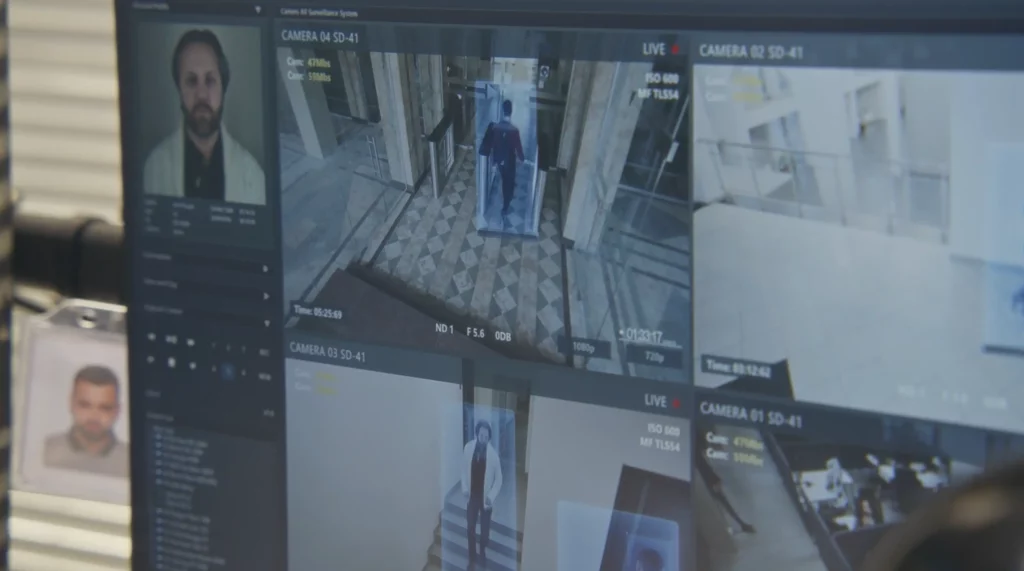
- • Implemented real-time statistics and user ID displays to improve situational awareness.
- • Designed and deployed ad-hoc weekend tasks to reduce the backlog and enhance team utilization.
- • Benchmarked performance against internal support groups and incorporated learnings across Seargin’s own operations.

Business results
IT support performance and user satisfaction

69% first-time call resolution
Support requests were resolved at first contact in nearly 7 out of 10 cases—reducing follow-up delays and user frustration.

22-second average answer time
The team maintained an exceptionally fast response time, far exceeding industry standards and internal team performance.

Real-time analytics for proactive support
Live dashboards and identity-linked analytics improved support accuracy and accelerated resolution processes.

Weekend workflow optimization
Ad-hoc task automation and load balancing helped reduce the weekend ticket pipeline, keeping service levels stable 24/7.